Maintenance Plans for Pressure Washing Buildings and Exterior Surfaces — A Complete Guide for Property Managers and Facility Professionals
Heath King • March 13, 2026
- Founder and owner of Quality Pressure Washing & Cleaning Services LLC, growing the company from a $450 pressure washer in 1997 to a 25-person regional operation.
- PWNA Certified Contractor and sitting Board Member of the Power Washers of North America.
- Nearly 30 years of hands-on commercial pressure washing experience across NC, SC, and VA.
Quality Pressure Washing and Cleaning Services | Rocky Mount, NC
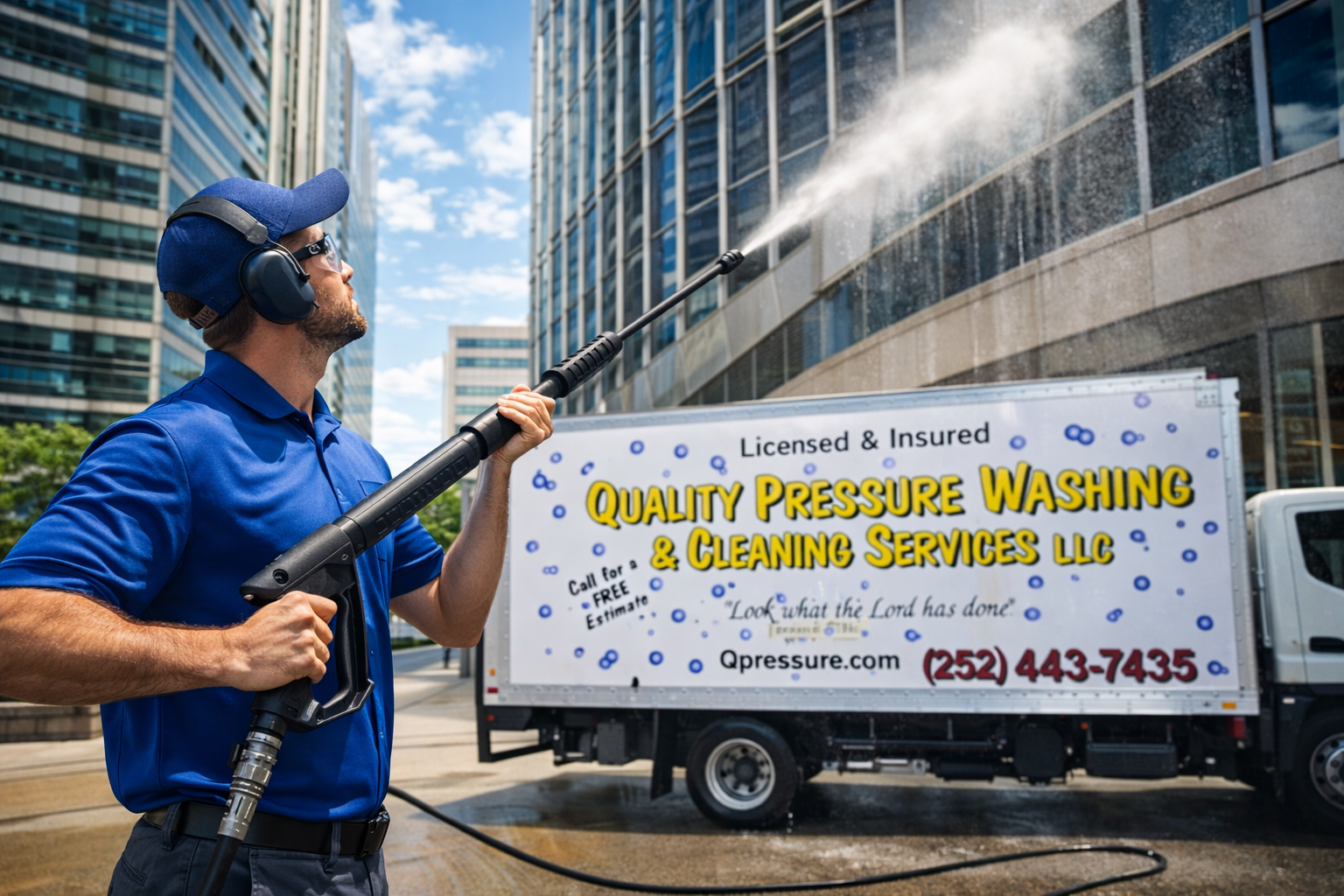
Every commercial property has a maintenance budget. Line items for HVAC service, landscaping, parking lot repairs, roof inspections, and pest control are standard — expected costs of keeping a building operational and presentable. What's consistently undervalued in that budget, and consistently overdue by the time most property managers address it, is exterior surface cleaning.
Not a one-time wash when the building looks bad enough to prompt a complaint. A scheduled, systematic maintenance program that keeps exterior surfaces clean, protected, and compliant throughout the year — the same way every other critical building system gets maintained.
This guide is written for property managers, facility directors, and maintenance professionals across Rocky Mount and Eastern North Carolina who want to understand what a commercial pressure washing maintenance program actually looks like, what it costs relative to what it protects, and how to build a plan that fits the specific demands of their property. We'll cover surface types, service frequencies, pricing models, and real-world examples of what works where — and why.
Why Exterior Surface Maintenance Is a Facilities Priority, Not a Cosmetic One
The case for routine exterior cleaning starts with the surfaces themselves. Concrete, brick, stucco, painted siding, EIFS, asphalt, pavers, and the various composite and coated materials used on modern commercial buildings are all porous or semi-porous to varying degrees. That means they don't just collect surface contamination — they absorb it over time.
Algae, mold, mildew, lichen, atmospheric carbon, oil, grease, road film, biological waste, and mineral deposits don't sit passively on exterior surfaces. They actively degrade them. Algae root systems penetrate concrete and masonry, accelerating surface breakdown. Mold and mildew moisture retention accelerates freeze-thaw damage in cooler months. Oil and grease contamination on concrete penetrates the surface layer and becomes structurally embedded, making it progressively harder and more expensive to remove. Biological growth on painted or coated surfaces lifts finishes, accelerates fading, and voids manufacturer warranties on specialty coatings.
The longer these conditions go unaddressed, the more expensive the remediation becomes — and at some point, cleaning transitions into repair or replacement. A concrete sidewalk that gets professionally cleaned every quarter stays in service for decades. The same sidewalk that gets cleaned reactively, after years of embedded biological growth and freeze-thaw cycle damage, may need grinding, patching, or full replacement well ahead of its expected service life.
Beyond surface longevity, there are three other facility management priorities that a consistent exterior cleaning program directly addresses: safety, compliance, and professional appearance.
Safety —
Biofilm, algae, and wet organic matter on walkways, stairs, loading docks, pool decks, and entryways create slip-and-fall conditions that represent measurable liability exposure. OSHA general industry standards require employers to maintain walking and working surfaces free of hazards — and wet, organic-growth-covered concrete directly implicates that requirement for any facility with employees or public access.
Compliance —
Food service operations, healthcare facilities, municipal properties, and any commercial space subject to health department or regulatory inspection have exterior sanitation standards that go beyond appearance. Grease accumulation, biological contamination, and pest-attracting organic buildup in rear service areas, dumpster zones, and loading docks can trigger violations that cost significantly more than the cleaning program that would have prevented them.
Professional appearance —
Curb appeal has a direct, documented relationship with commercial property performance. For retail tenants, it affects foot traffic and customer perception. For apartment complexes and HOA communities, it affects leasing rates and resident retention. For office properties, it affects tenant renewal conversations. A consistently clean, well-maintained exterior communicates that the property is managed professionally — and that matters to everyone who interacts with it.
Understanding the Right Cleaning Method for Every Surface
Before getting into maintenance plan structures and frequency recommendations, it's worth establishing something that separates professional commercial cleaning from commodity pressure washing: not every surface should be treated the same way.
The two primary methods used in commercial exterior cleaning are pressure washing and soft washing, and the choice between them — or the combination of both — determines whether a surface gets cleaned effectively and safely or gets cleaned aggressively and damaged.
Pressure Washing
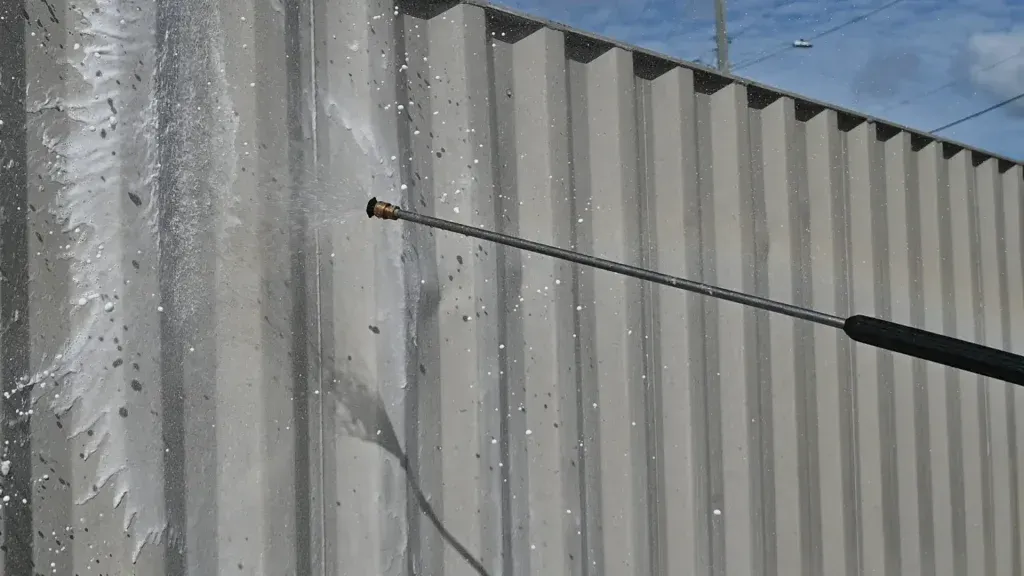
Uses high-pressure water, typically between 1,500 and 4,000 PSI depending on the application, to physically remove embedded contaminants from hard, durable surfaces. It's the right approach for concrete flatwork — sidewalks, parking areas, loading docks, driveways, dumpster pads — as well as for some brick and masonry applications, metal surfaces, and heavy equipment. Pressure washing excels at removing oil stains, embedded dirt, chewing gum, heavy biological buildup on durable surfaces, and the kind of deeply embedded grime that lower-pressure methods can't address effectively.
Soft Washing
Uses low-pressure water delivery — typically under 500 PSI — combined with professional-grade cleaning solutions to remove biological contamination, organic growth, and surface staining from delicate or damage-susceptible materials. It's the correct approach for building siding (vinyl, fiber cement, painted wood), stucco and EIFS, painted surfaces, roofing materials, awnings, signage, and any coated or finished surface where high pressure would cause damage, lift finishes, or void warranties. The cleaning agents used in soft washing kill algae, mold, and mildew at the biological root level rather than just removing surface growth, which means results last significantly longer than pressure-only cleaning on those surfaces.
A professional commercial maintenance program uses both methods — matched to the specific surfaces being maintained. Property managers and facility directors should be skeptical of any contractor who applies the same pressure and same approach to every surface on a property. That's a sign of limited equipment capability, limited training, or both.
Commercial Maintenance Plan Structures — What Works and When
The right maintenance frequency for any commercial property depends on several factors: the type of business or use, the volume of foot and vehicle traffic, the local climate and organic growth environment, the surface types present, and the appearance and compliance standards the property needs to meet. Here's a practical breakdown of each plan tier, with real-world examples of what each level is appropriate for.
Monthly Maintenance Plans
Best for: High-traffic commercial properties, food service establishments, restaurants, retail centers with heavy foot traffic, healthcare and medical facilities, properties in heavily shaded or moisture-prone environments, and any facility with strict sanitation or compliance requirements.
Monthly service is the most intensive maintenance tier and is appropriate for properties where contamination accumulates quickly and the cost of allowing it to build between visits — in terms of appearance, safety, or compliance — is unacceptably high.
For a restaurant with a rear service area, dumpster pad, and grease-prone back entrance, monthly professional cleaning isn't aggressive maintenance scheduling — it's the minimum frequency required to stay ahead of grease accumulation, pest attractants, and health department concerns. The same applies to healthcare facilities where exterior sanitation standards are tied to regulatory compliance, and to high-traffic retail entrances where sidewalk appearance directly affects customer perception on a daily basis.
What a monthly program typically includes: Sidewalk and entryway cleaning, dumpster pad and rear service area washing, high-traffic concrete spot cleaning, building entrance and storefront washing, and targeted treatment of any recurring problem areas identified during the initial property assessment.
Why it works: Monthly service interrupts the accumulation cycle before buildup has time to bond, stain, or cause biological growth. It's the lowest per-visit cost to remediate because contamination hasn't had time to penetrate or compound — and it produces the most consistently clean appearance across all twelve months.
Bi-Monthly Maintenance Plans (Every Two Months)
Best for: Multi-family apartment communities, mid-traffic retail properties, commercial office parks, properties with moderate organic growth exposure, and facilities that need consistent appearance maintenance without the demands of monthly service.
Bi-monthly programs are a practical middle ground for properties where contamination accumulates meaningfully between visits but doesn't reach critical levels in a single month. For an apartment complex with multiple buildings, shared breezeways, a pool deck, and common area walkways, bi-monthly service keeps common areas consistently presentable, addresses organic growth before it becomes visible to residents, and handles dumpster pad and parking area maintenance on a schedule that matches actual accumulation rates.
What a bi-monthly program typically includes: Full common area walkway cleaning, breezeway and stairwell washing, building exterior soft washing on a rotating schedule, dumpster pad cleaning, pool deck maintenance, and parking area spot treatment.
Why it works: Six visits per year provides enough frequency to maintain appearance and prevent the compounding buildup that drives up remediation cost and time, while providing a cost structure that works for properties with broader maintenance budgets spread across multiple facility systems.
Quarterly Maintenance Plans (Every Three Months)
Best for: Commercial office buildings, light industrial facilities, HOA communities, business parks, municipal properties, schools and universities, and properties with moderate traffic and standard organic growth exposure.
Quarterly maintenance is the most commonly recommended starting point for commercial properties that don't have specific high-frequency compliance or sanitation requirements. Four visits per year, timed to align with seasonal transitions, addresses the accumulation patterns that Eastern North Carolina's climate produces — spring pollen and organic bloom, summer biological growth driven by heat and humidity, fall leaf and debris accumulation, and winter grime from road conditions and reduced sunlight.
For an HOA community managing a neighborhood with community sidewalks, a clubhouse, a pool area, and shared amenity spaces, quarterly service keeps every common area consistently maintained, addresses the seasonal organic growth that North Carolina's climate accelerates, and provides a documented maintenance record that protects the association in liability contexts.
What a quarterly program typically includes: Full property walkway and common area cleaning, building exterior washing (soft wash), parking area treatment, dumpster pad service, pool deck and amenity area cleaning, and entryway and signage cleaning. Scope is typically more comprehensive per visit than monthly or bi-monthly programs since more surface area accumulates between visits.
Why it works: Quarterly service aligns with the natural seasonal cycles of exterior contamination and provides strong value — comprehensive cleaning at four points in the year that keep the property consistently above the threshold that triggers complaints, safety concerns, or visible neglect.
Bi-Annual Maintenance Plans (Twice Per Year)
Best for: Lower-traffic commercial properties, light industrial facilities, warehouse and storage operations, properties in lower organic-growth environments, and facilities where budget constraints require prioritizing frequency against scope.
Two visits per year — typically timed for spring and fall — works well for properties where accumulation rates are moderate and the primary concern is maintaining baseline appearance and preventing the kind of long-term surface damage that develops when cleaning is deferred entirely. A light industrial facility with a concrete apron, a metal building exterior, and a modest parking area doesn't need monthly service — but it does benefit from twice-yearly professional cleaning that removes a full season's worth of road film, biological growth, and surface contamination before it permanently bonds to the materials.
What a bi-annual program typically includes: Full exterior building wash, complete flatwork cleaning of all sidewalks, parking areas, and concrete surfaces, dumpster pad service, and targeted treatment of any chronic problem areas. Because visits are less frequent, each session is typically more comprehensive and time-intensive.
Why it works:
For lower-demand properties, bi-annual service provides meaningful surface protection and appearance maintenance at a cost structure that fits constrained maintenance budgets — and is dramatically more effective at preserving surface life than purely reactive cleaning.
Annual Maintenance Plans
Best for: Low-traffic or low-visibility commercial properties, storage facilities, rural commercial operations, properties with minimal organic growth exposure, and as a baseline minimum for any commercial building that currently has no exterior cleaning program at all.
An annual cleaning program is the minimum viable exterior maintenance schedule for any commercial building. One comprehensive professional cleaning per year removes accumulated atmospheric deposits, biological growth, and surface contamination that builds up even on low-traffic properties, and resets the surface condition before irreversible staining, surface degradation, or permanent biological colonization can take hold.
For a property manager inheriting a portfolio with no existing exterior cleaning history, an annual program is often the right starting point — establishing a baseline, identifying which properties have higher-frequency needs, and building toward a more complete maintenance structure as the portfolio's specific demands become clear.
What an annual program includes: Full building exterior wash, complete flatwork cleaning, dumpster pad and service area cleaning, and a comprehensive surface assessment that informs future maintenance planning and frequency recommendations.
Why it works: One professional cleaning per year is the difference between a property that accumulates surface damage gradually and one that maintains a consistent baseline of cleanliness, surface protection, and professional appearance across the calendar year.
Pricing Models — What Property Managers and Facility Professionals Should Understand
Commercial exterior cleaning maintenance programs are priced based on a combination of factors: total surface area, surface types and cleaning methods required, visit frequency, travel and mobilization, and the specific scope of services included in each visit.
The most important thing to understand about commercial maintenance pricing is the inverse relationship between frequency and per-visit cost. Properties on monthly programs pay a lower per-visit rate than properties on quarterly programs, because the contamination load per visit is lower, service time per visit is shorter, and the contractor relationship is more efficient operationally. The annual cost of a monthly program is higher in absolute terms — but the per-visit cost, and the cost-per-square-foot of maintained surface, is typically lower than less frequent programs.
For property managers evaluating maintenance program costs, the right comparison isn't the annual program cost against the quarterly program cost. It's the total cost of maintaining the property's surfaces over a five or ten-year horizon — accounting for the remediation costs, repair costs, and replacement costs that accelerate when maintenance is deferred.
A concrete sidewalk that costs $800 per year to maintain on a quarterly program stays in service for 25 years. The same sidewalk that gets cleaned once every two or three years when it visibly deteriorates may need grinding and resurfacing in year eight — a cost that dwarfs the maintenance program savings many times over.
Quality Pressure Washing and Cleaning Services builds maintenance program pricing around the specific requirements of each property. We assess surface area, surface types, access requirements, contamination patterns, and frequency needs before recommending a program — and we provide transparent, itemized pricing that allows property managers and facility directors to make informed decisions about maintenance investment versus deferred cost risk.
What a Professional Commercial Maintenance Assessment Looks Like
Before recommending a maintenance program, Quality Pressure Washing and Cleaning Services conducts a thorough property assessment that covers every exterior surface requiring ongoing maintenance. That assessment identifies surface types and appropriate cleaning methods, chronic problem areas requiring targeted treatment, contamination patterns driven by shade, drainage, traffic, or proximity to vegetation, compliance-sensitive areas requiring specific sanitation standards, and access considerations that affect scheduling and crew deployment.
From that assessment, we build a maintenance program scoped to the property's actual needs — not a generic package applied uniformly regardless of what the property requires. A 200-unit apartment complex in Rocky Mount has different maintenance demands than a medical office park in Raleigh, which has different demands than a retail strip center in Wilson. The program should reflect those differences.
We also provide maintenance documentation — service records for each visit that property managers can retain for insurance purposes, vendor compliance files, and liability records demonstrating that exterior surfaces are being maintained to a professional standard on a consistent schedule.
Building a Commercial Cleaning Program That Actually Works
The most effective commercial exterior cleaning programs for property managers and HOAs in the Rocky Mount area aren't reactive — they're scheduled, systematic, and scoped to the specific demands of each property.
That means regular cleaning of high-traffic and high-visibility surfaces on a timeline that stays ahead of buildup rather than chasing it. It means seasonal deep cleaning of building exteriors, breezeways, and common areas aligned with the organic growth cycles that Eastern NC's climate produces. It means consistent dumpster pad and rear service area cleaning on a frequency that matches the actual usage and contamination rate of those spaces. And it means a vendor relationship built on communication, reliability, and a shared understanding of what your properties need to look and perform their best.
Quality Pressure Washing and Cleaning Services has been building exactly those programs for commercial clients across Eastern and Central North Carolina since 1997. Whether you manage a single apartment complex in Rocky Mount, a portfolio of commercial properties spanning Nash, Edgecombe, and Wake counties, or a regional food service operation with multiple locations, we have the experience, the equipment, and the crew to handle it.
Not Every Pressure Washing Contractor Can Handle Commercial Maintenance Contracts
For property managers and facility directors evaluating vendors for commercial maintenance programs, this distinction matters enormously and is worth stating directly.
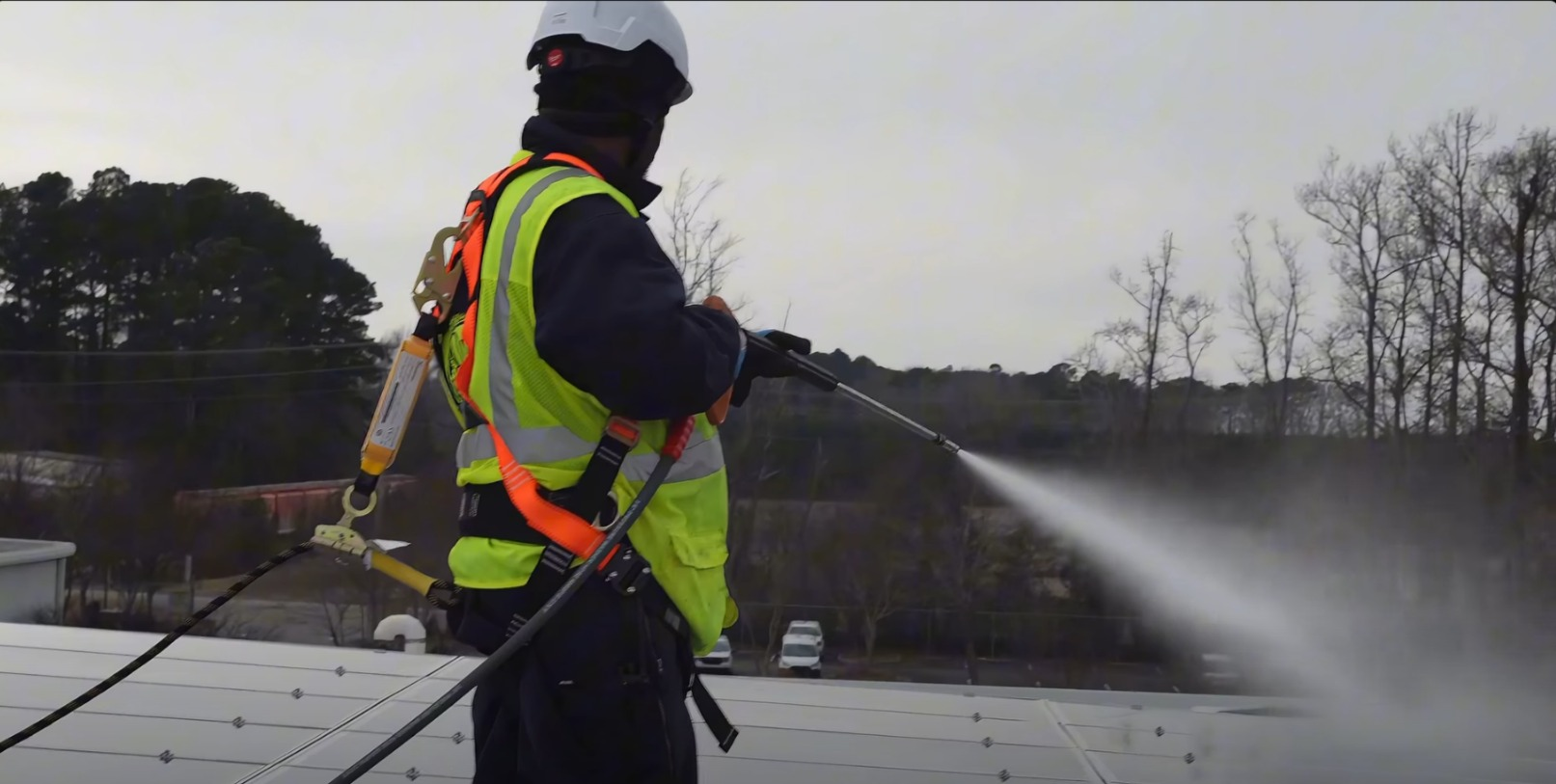
Commercial exterior maintenance contracts require more than a pressure washer and availability. They require the equipment capacity to service large properties efficiently — industrial hot water systems, soft wash rigs, surface cleaners, and the chemical handling capability to use professional-grade cleaning agents correctly and safely. They require a crew large enough to complete large-scope visits in a single mobilization without disrupting property operations across multiple days. They require the scheduling infrastructure to honor recurring service commitments reliably, regardless of weather patterns, equipment issues, or crew availability fluctuations. And they require the certifications and compliance documentation that commercial vendors increasingly need to carry.
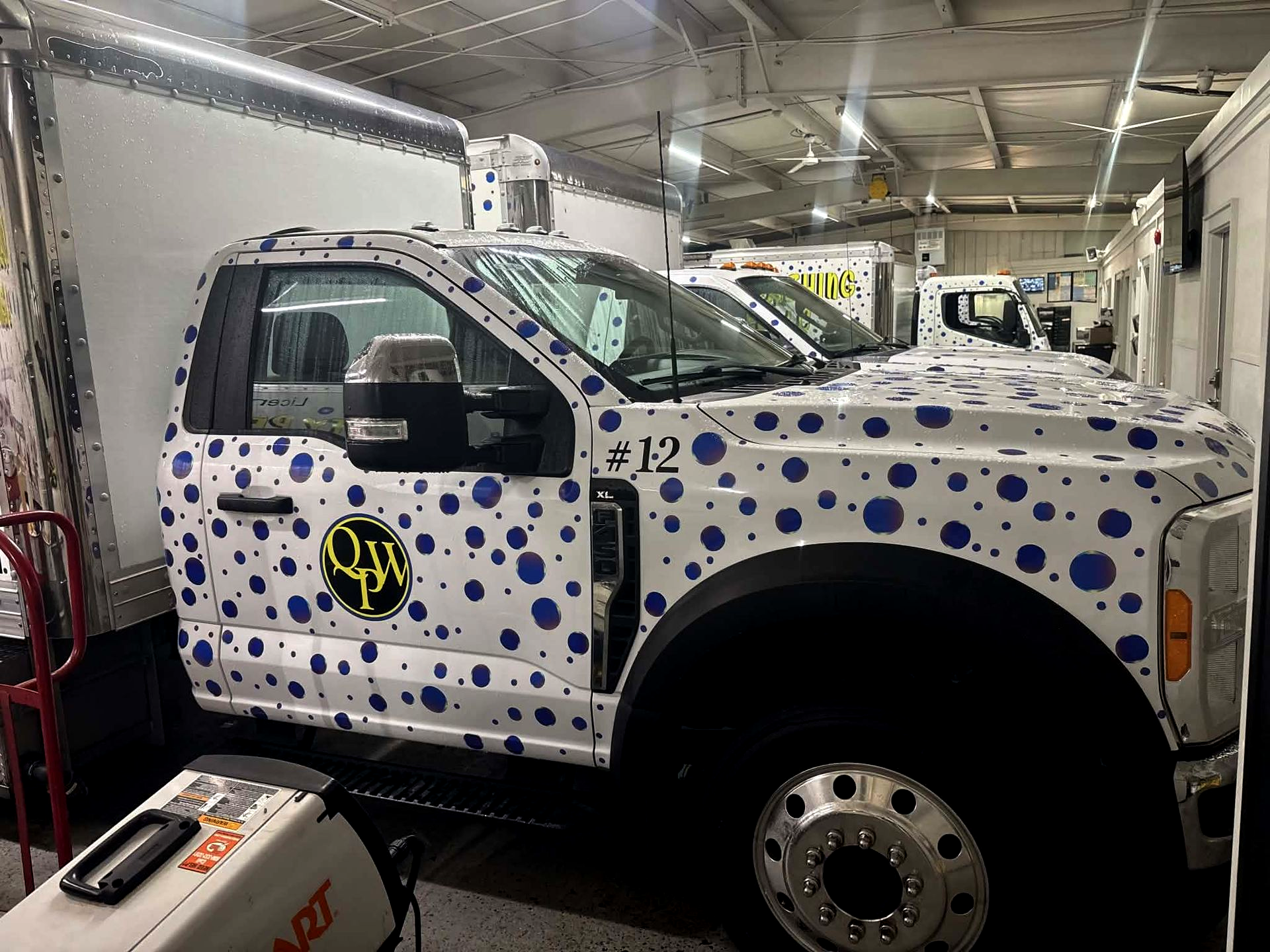
Quality Pressure Washing and Cleaning Services is a PWNA-certified contractor operating in full compliance with OSHA 1910 General Industry Standards. Our team of 25 trained professionals operates 8 fully equipped trucks and rigs across a service territory covering Rocky Mount, Raleigh, Durham, Greenville, Wilson, Goldsboro, and the surrounding region. We have the capacity, the credentials, and the operational infrastructure to manage commercial maintenance contracts at any scale — from a single building to a regional portfolio spanning multiple markets.
Start With a Free Commercial Maintenance Assessment
If you manage commercial properties, apartment communities, HOA developments, food service facilities, or institutional buildings in the Rocky Mount to Raleigh corridor and you don't currently have a professional exterior cleaning maintenance program in place, the right time to start one is before you need it — not after.
Quality Pressure Washing and Cleaning Services will assess your property, identify your maintenance needs, and build a program scoped and priced to fit your operation. No generic packages. No pressure. Just a straightforward conversation about what your property needs and what it costs to protect it.
See our Recent Blogs
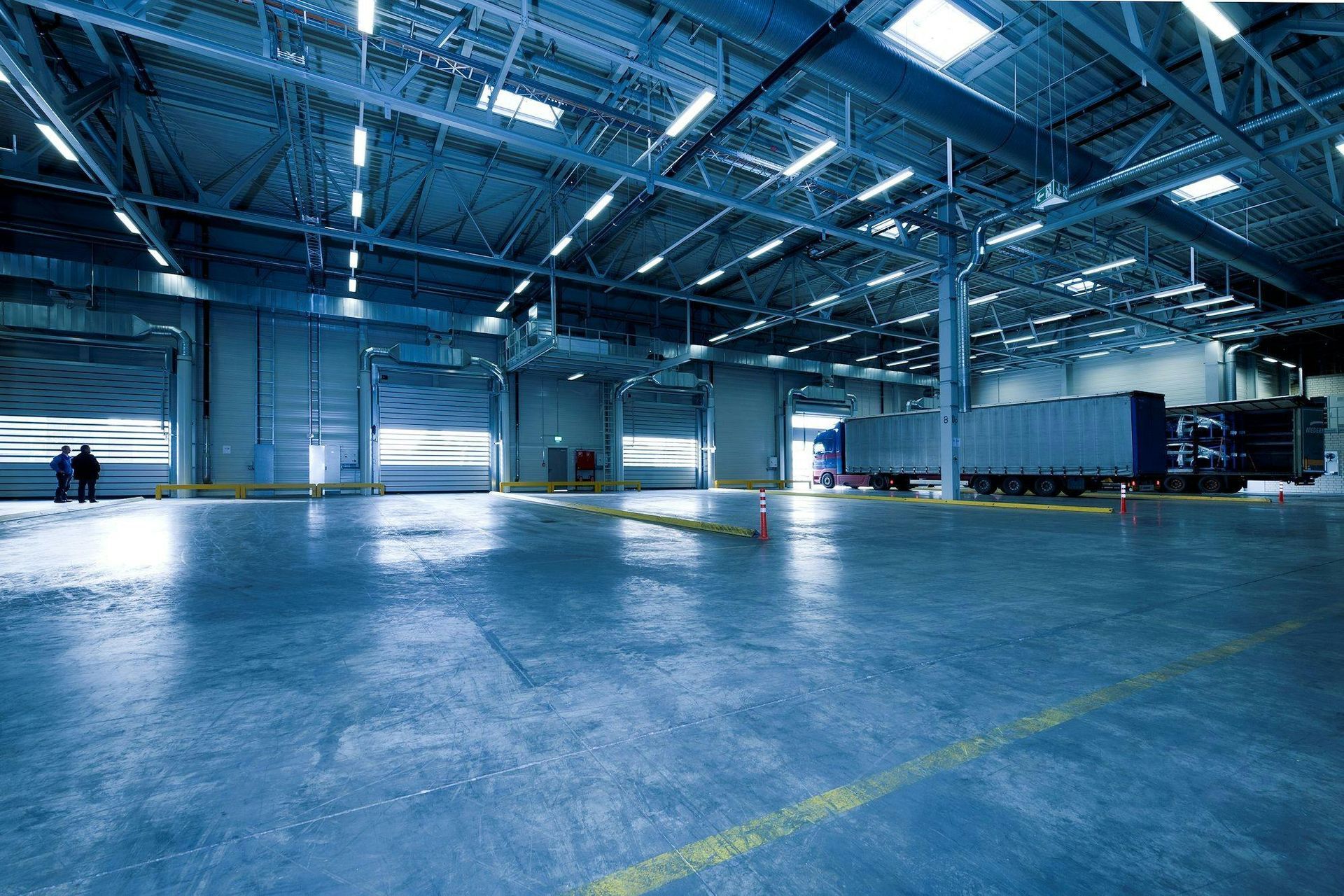
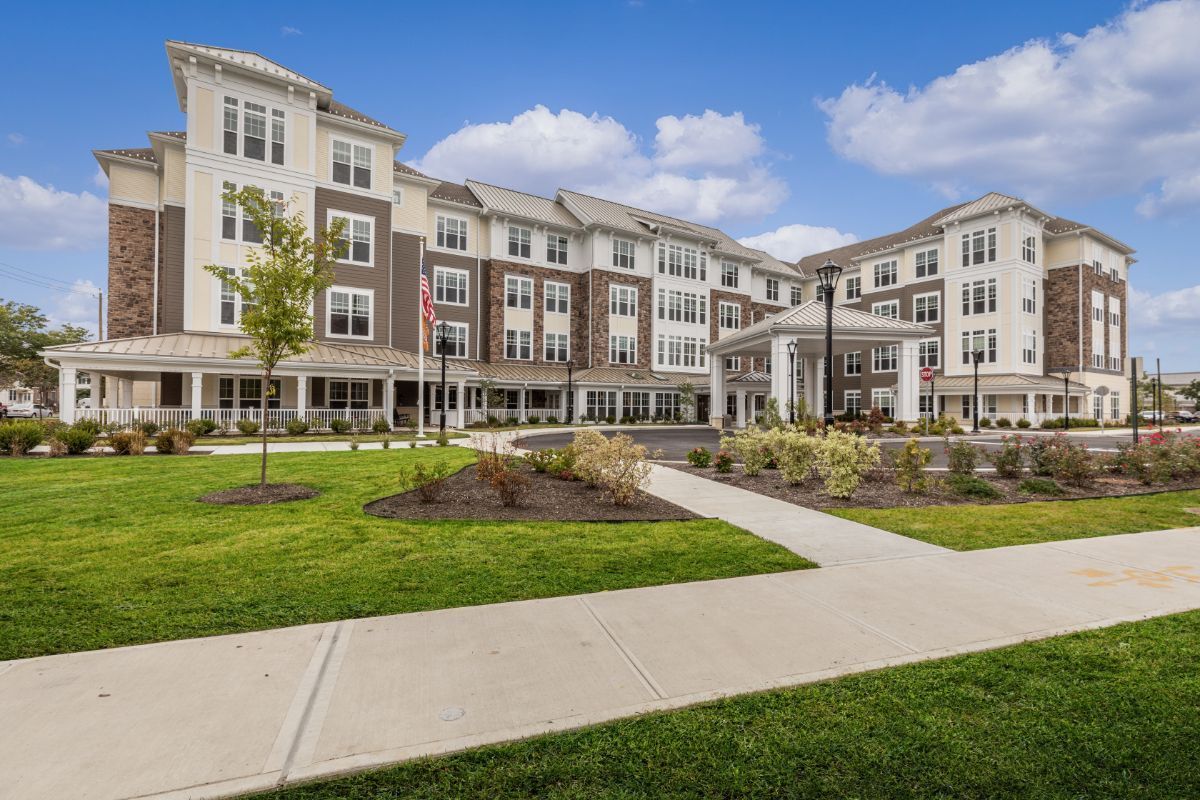
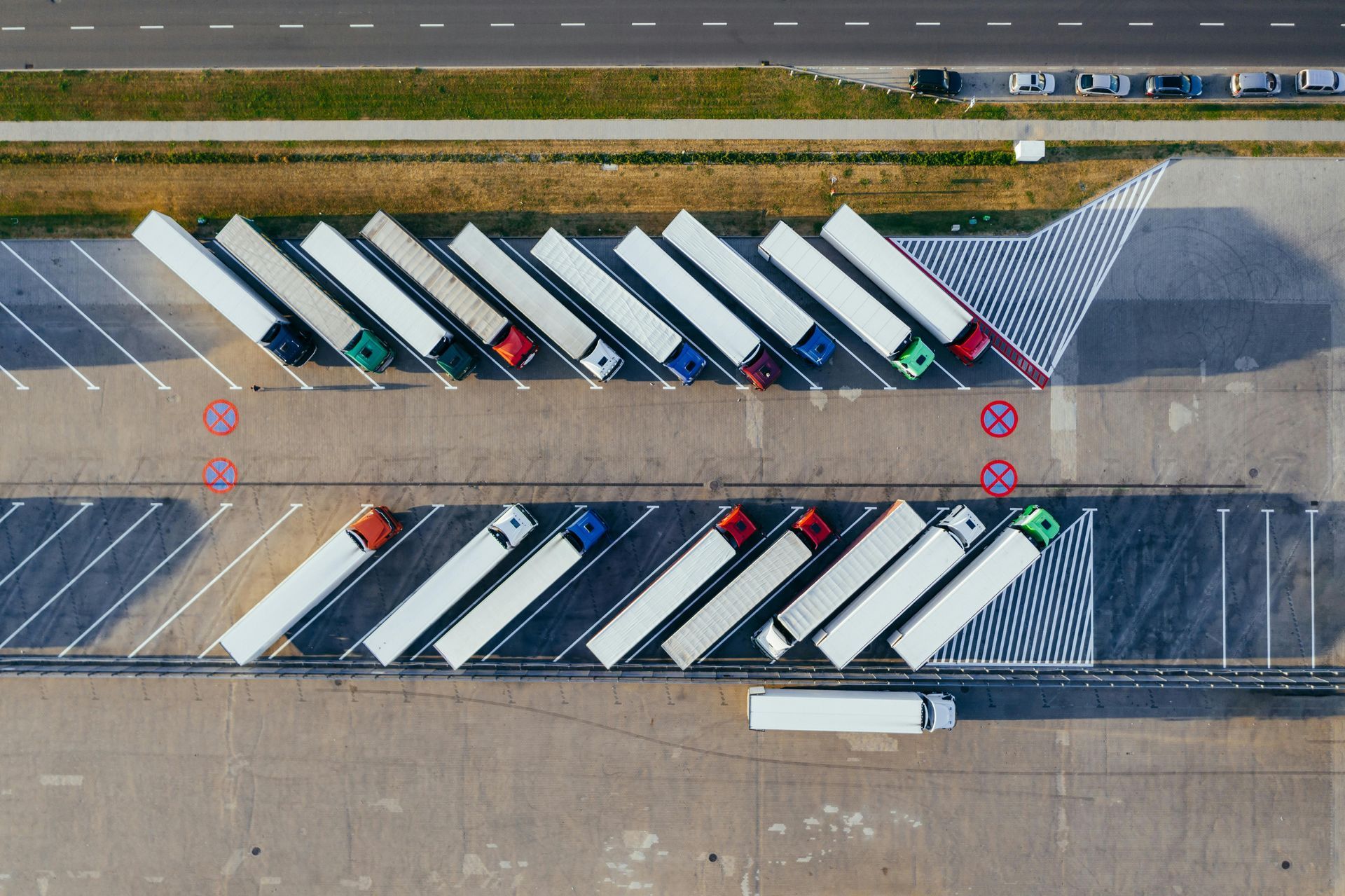
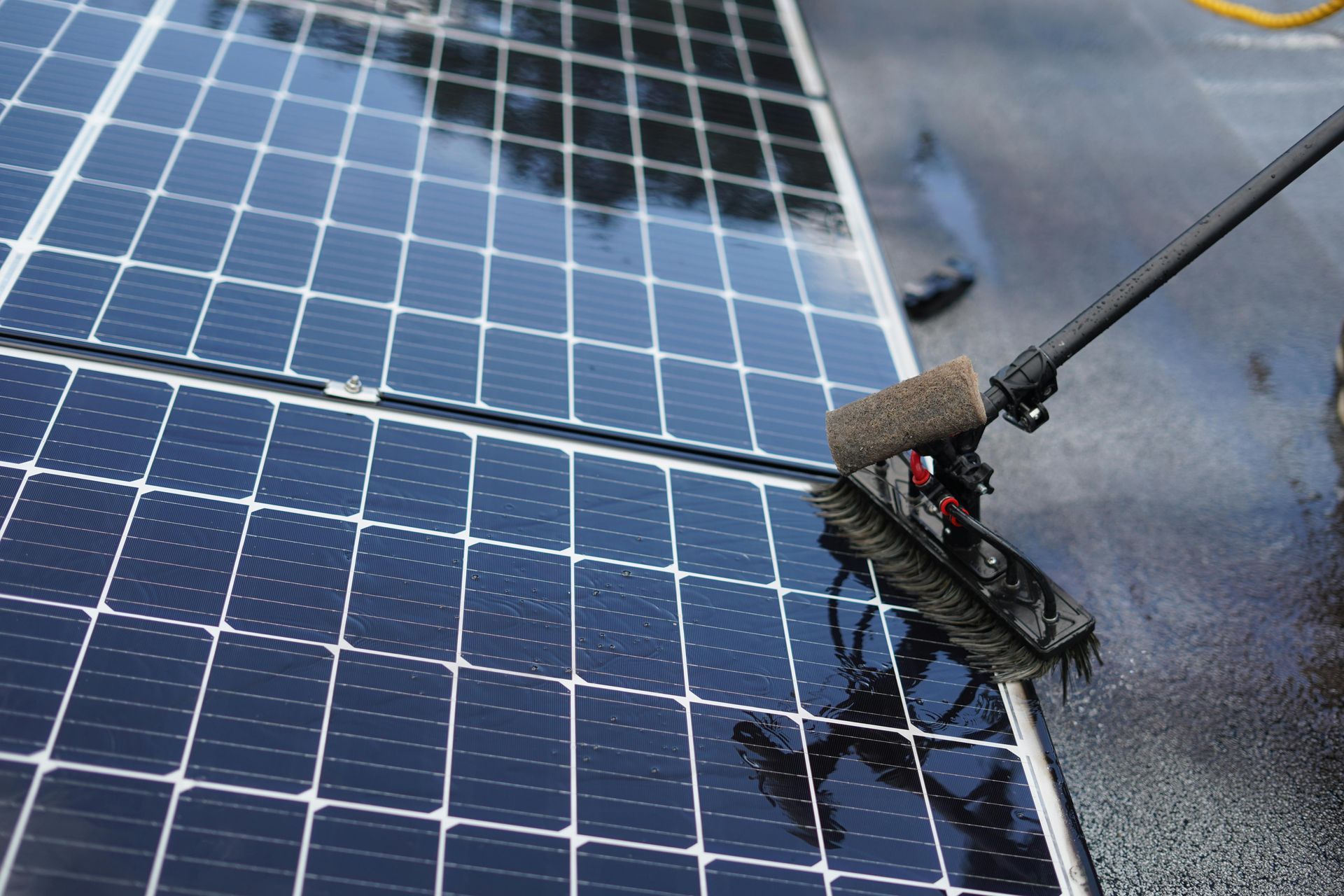
Commercial Pressure Washing Across Eastern North Carolina
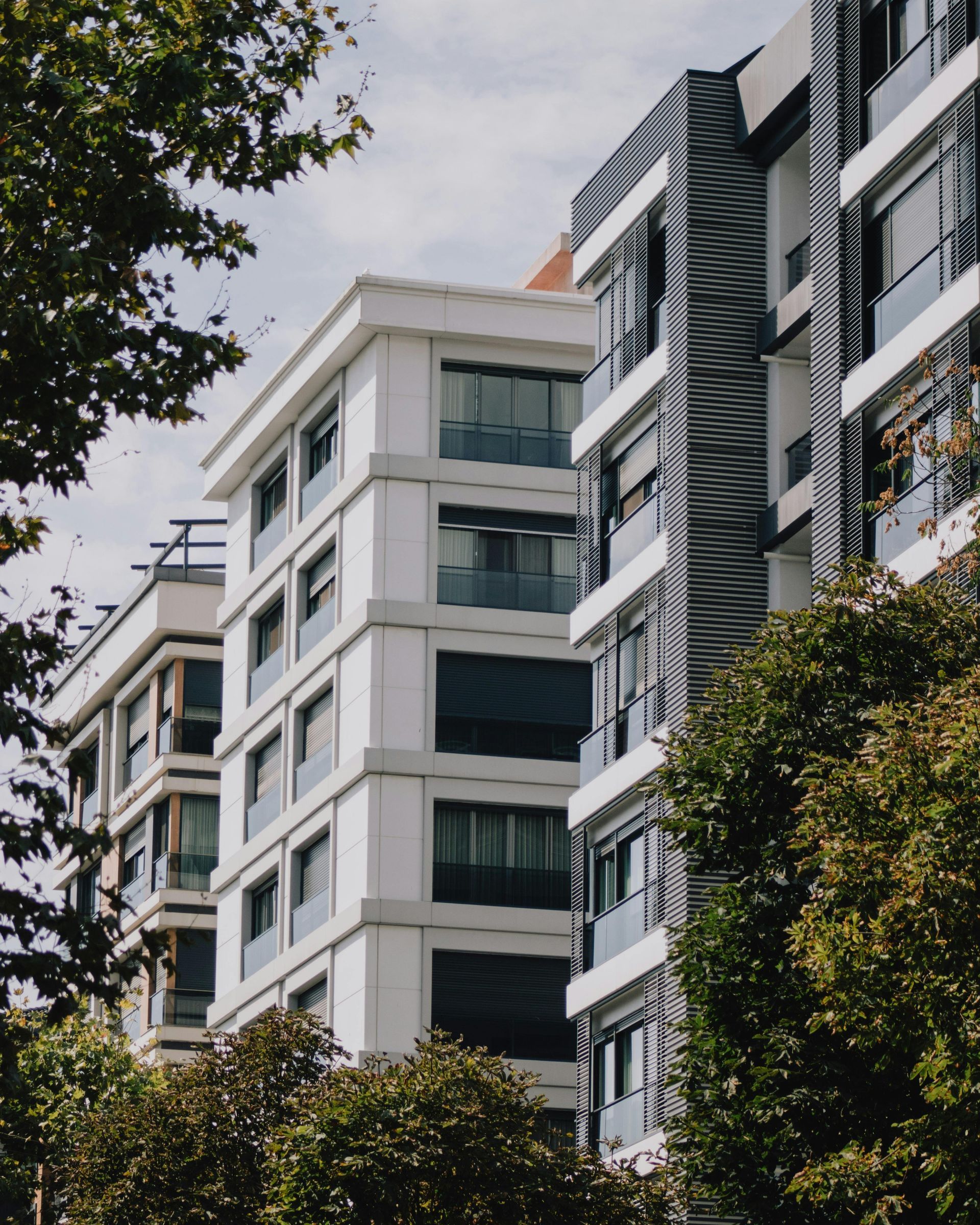
Your building's exterior works overtime — greeting customers, holding up your brand, taking a beating from weather, traffic, and time. We help business owners across the region keep that first impression sharp, tackling everything from grimy storefronts to oil-stained lots so your property always looks like it's under someone's care.
Wherever you're located, chances are we're already working nearby.