Fleet Washing for Trucks and Commercial Vehicles — Why It Matters More Than You Think
Heath King • March 13, 2026
- Founder and owner of Quality Pressure Washing & Cleaning Services LLC, growing the company from a $450 pressure washer in 1997 to a 25-person regional operation.
- PWNA Certified Contractor and sitting Board Member of the Power Washers of North America.
- Nearly 30 years of hands-on commercial pressure washing experience across NC, SC, and VA.
Quality Pressure Washing and Cleaning Services | Rocky Mount, NC
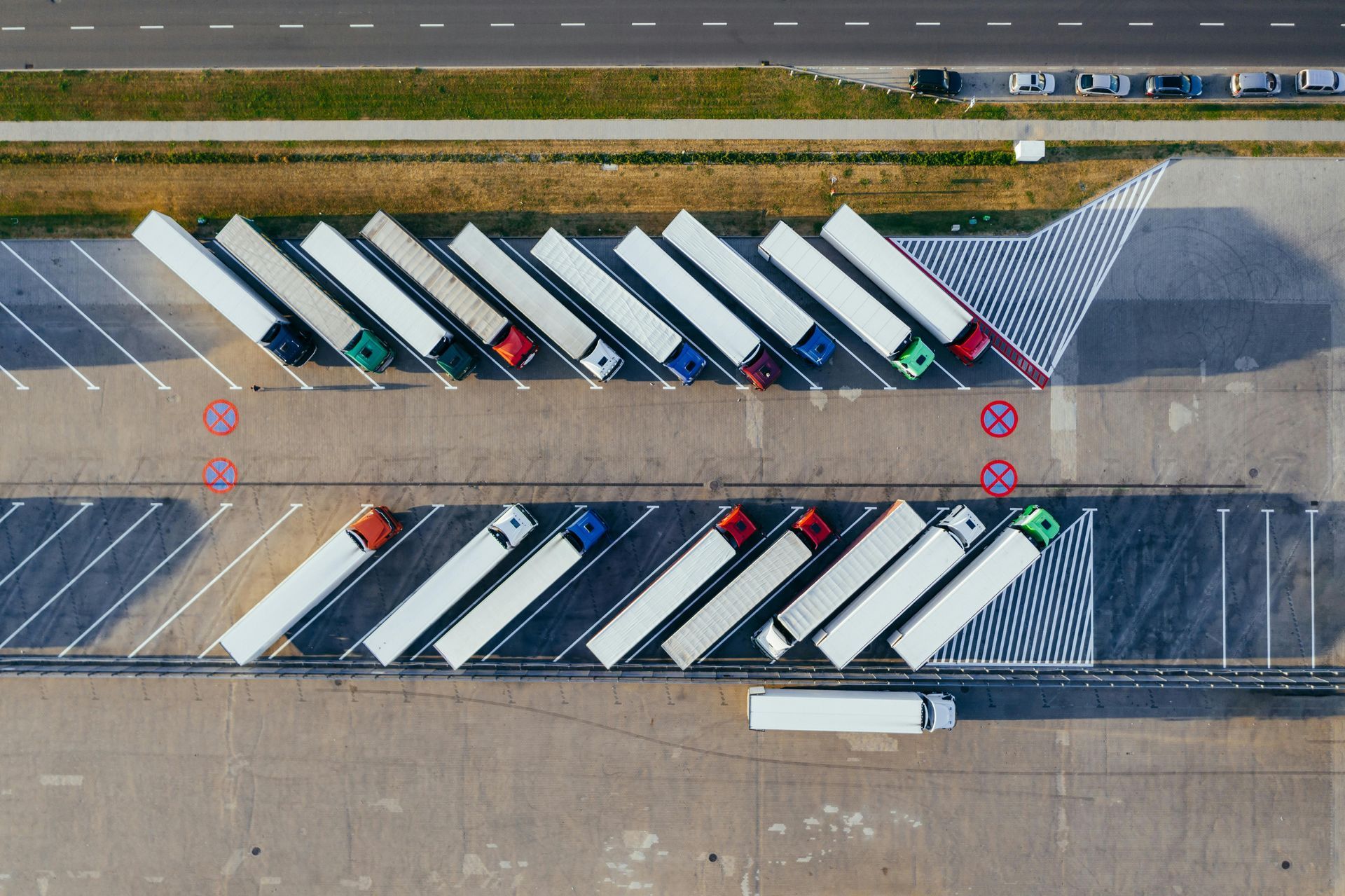
If your commercial vehicles are on the road between Rocky Mount and Raleigh, they're working in some of the harshest conditions a fleet can face. Road grime. Diesel exhaust. Mud. Construction dust. And every winter, something far more damaging than all of it combined — road salt.
Most fleet operators think about washing their vehicles when they look dirty. The companies that protect their assets long-term think about washing them on a schedule, the same way they think about oil changes and tire rotations. There's a reason for that. What's building up on the undercarriage, frame rails, wheel wells, and body panels of your trucks isn't just dirt. It's an active threat to your equipment, your brand, and your bottom line.
Quality Pressure Washing and Cleaning Services is the fleet washing authority for the Rocky Mount to Raleigh corridor — and this article explains exactly why regular, professional fleet washing isn't optional maintenance. It's smart operations.
What Winter Roads Are Actually Doing to Your Fleet
North Carolina winters are deceptively damaging for commercial vehicles. Temperatures in the central and eastern part of the state routinely dip below freezing, and state and municipal road crews respond aggressively — spreading road salt, brine solutions, and chemical deicers across highways, interstates, and surface roads to prevent ice accumulation and keep traffic moving.
That's good for road safety. It's genuinely destructive for anything made of metal.
Road salt — sodium chloride — is highly corrosive. When it dissolves in the moisture on road surfaces, it creates an electrolytic solution that accelerates the oxidation of metal, meaning rust doesn't just form on your vehicles — it forms faster, penetrates deeper, and spreads to areas that are difficult or impossible to see without putting the vehicle on a lift. Frame rails, cross members, brake lines, fuel lines, wheel hubs, suspension components, and the underside of the body are all vulnerable.
For a single work truck, that's a maintenance headache. For a fleet of 20, 50, or 200 vehicles, it's a capital asset problem.
What makes winter road salt accumulation particularly dangerous is that it doesn't rinse off in the rain. Salt is hygroscopic — it actively draws moisture to itself. Once it bonds to a metal surface, it stays wet even in dry conditions, maintaining constant corrosive contact. Without a proper wash that removes salt residue from the entire vehicle — including the undercarriage — that damage continues around the clock, long after the roads have dried out.
Road Grime, Diesel Soot, and Chemical Buildup — The Year-Round Problem
Winter salt gets most of the attention, but the accumulation that happens across the other three seasons is equally damaging over time — just slower and less dramatic.
Every mile your commercial vehicles travel, they're collecting a cocktail of road contaminants. Diesel exhaust and engine soot deposit a fine, oily film across the hood, cab, and front-end surfaces. Tire spray kicks road film — a mixture of oil residue, rubber particles, exhaust particulate, and road chemicals — up onto the body panels, wheel wells, and undercarriage. Construction sites add mud, concrete splatter, and heavy clay. Highway driving bakes all of it on under engine heat and sun exposure.
Over time, this buildup does several things your fleet maintenance budget doesn't want:
- It attacks paint and protective coatings. The oily, chemically active compounds in road film break down clear coat and paint over time, leaving bare metal exposed. On vehicles with vinyl wraps or branded graphics, that same buildup fades colors, lifts edges, and degrades adhesion.
- It traps heat. A heavy layer of grime on an engine bay, radiator, or transmission cooler reduces heat dissipation, which affects operating temperatures and long-term component life.
- It hides developing problems. When a vehicle is consistently dirty, developing rust, cracks, fluid leaks, and damage go unnoticed until they become expensive repairs. Regular washing is essentially a visual inspection opportunity built into your maintenance schedule.
- It signals neglect to everyone watching. Your fleet is moving advertising. Dirty trucks with faded graphics and grime-caked panels tell potential clients, partners, and the public something about how your business operates — whether that's fair or not.
The Real Cost of Skipping Fleet Washing
The hesitation most fleet operators have about a recurring fleet washing program comes down to cost. It's a visible line item, and it's easy to defer. What's harder to see — until it shows up on a repair bill or an insurance claim — is the cost of not washing.
Corrosion-related repairs on commercial vehicles are among the most expensive maintenance items a fleet manager will face. Replacing a rusted-out brake line is a relatively minor job. Replacing frame components, suspension hardware, or a corroded body on a work truck or trailer is not. Industry data consistently shows that fleets in road-salt-heavy environments experience significantly higher rates of structural corrosion, brake system failures, and undercarriage damage than fleets in warmer, drier regions — but the Rocky Mount to Raleigh corridor sees enough winter salt treatment to put every commercial vehicle at meaningful risk.
Then there's the brand cost. A driver in a clean, well-maintained vehicle pulling up to a job site or customer location projects professionalism. The same driver in a truck caked in road grime and salt stains projects something else entirely. For service businesses, delivery operations, and any company where the vehicle is part of the customer-facing experience, the appearance of the fleet is part of the product.
Routine professional fleet washing doesn't cost money. It protects money already spent.
Professional Fleet Washing vs. Running Trucks Through a Car Wash
It's worth addressing this directly, because it's a shortcut a lot of fleet operators try — and regret.
Consumer and commercial car washes are not built for fleet washing. Automated wash systems use aggressive brush and pad mechanisms that are fine for a passenger sedan but can damage commercial vehicle decals, vinyl wraps, antenna systems, specialty equipment, and extended body profiles. More importantly, they don't clean the undercarriage effectively, they don't address wheel wells and frame components, and they don't use the right chemistry for diesel soot, brake dust, and heavy road film.
Professional fleet washing is a different service category entirely. A qualified fleet washing crew uses hot water pressure washing systems, industry-appropriate degreasers and cleaning agents, surface-safe techniques matched to vehicle type and finish, and a systematic approach that covers the entire vehicle — cab, body, wheels, wheel wells, trailer, and undercarriage — not just the panels a machine can reach.
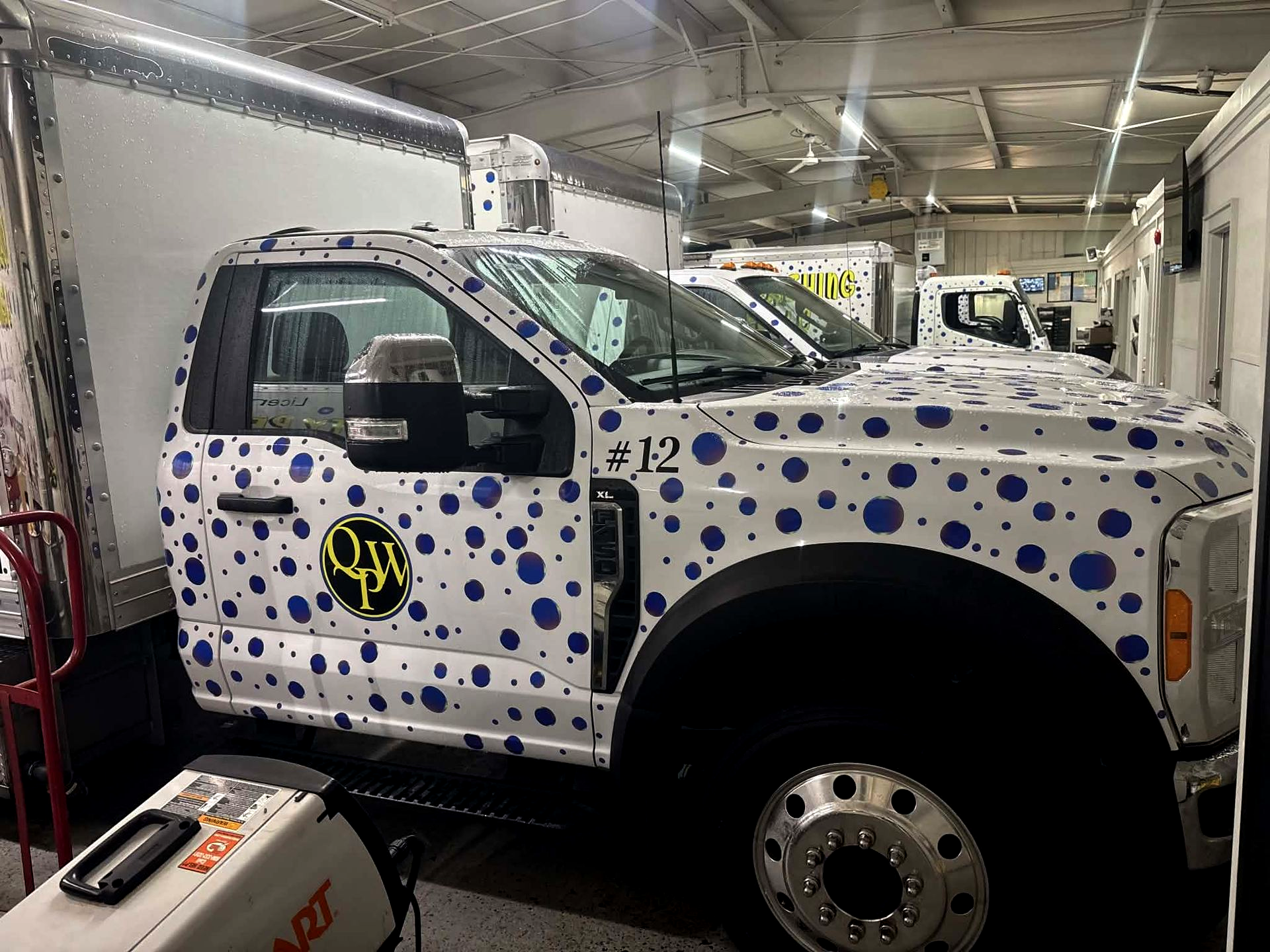
For fleets with branded graphics, wraps, or specialty finishes, professional cleaning also protects those investments. Spot treatment for decals and branding graphics keeps colors vivid, edges sealed, and the overall look consistent across every vehicle in the fleet — which matters when your trucks are the most visible marketing your company does.
Rocky Mount to Raleigh's Fleet Washing Authority
Quality Pressure Washing and Cleaning Services has been servicing commercial fleets across Eastern and Central North Carolina since 1997. In nearly three decades, we've washed service vans and work trucks, tractor trailers and semi trucks, dump trucks and construction equipment, box trucks and delivery vehicles, municipal fleets, utility vehicles, medical transport, commercial buses, and everything in between.
We are a PWNA-certified contractor with OSHA 1910 compliant operations — which matters for fleet clients operating in regulated industries, managing large facilities, or requiring documented safety compliance on their vendor list. Our team of 25 trained professionals operates 8 fully equipped trucks and rigs, giving us the capacity to mobilize quickly, service large fleets efficiently, and handle multi-site programs across our entire service territory without the scheduling bottlenecks that smaller operations run into.
Whether your fleet is based in Rocky Mount, operates out of Raleigh, or moves between Greenville, Wilson, Goldsboro, Durham, Cary, Wake Forest, Garner, Clayton, and the surrounding markets, we have the reach and the resources to keep your vehicles clean on a schedule that doesn't disrupt your operations.
No fleet is too large. No schedule is too demanding. If you have 2 vehicles or 200, we build a program around your operation — not the other way around.
What Our Fleet Washing Service Covers
Every fleet washing program is tailored to the vehicle types, operational demands, and site requirements of the client. Standard fleet washing service from Quality Pressure Washing and Cleaning Services includes:
Exterior Cab and Body Wash —
Full removal of road grime, dirt, diesel soot, and traffic film from the entire exterior surface using hot water pressure washing and professional-grade cleaning agents.
Bug and Front-End Cleaning —
Targeted treatment of the hood, grille, bumper, and windshield area where insect accumulation and highway debris concentration is heaviest.
Wheel and Rim Cleaning —
Professional degreasing and washing of wheels, rims, and wheel wells to remove brake dust, road residue, and the chemical buildup that accelerates corrosion around wheel hardware.
Trailer Washing —
Full exterior washing of trailers, flatbeds, and attached equipment to maintain visual consistency across the fleet and address the unique buildup patterns of trailer surfaces.
Decal and Branding Spot Cleaning —
Careful attention to graphics, wraps, and branded surfaces to keep company imaging sharp, visible, and professional across every vehicle.
Equipment and Attachment Washing — .
Removal of mud, concrete, clay, and heavy buildup from construction equipment, attachments, and specialized vehicle components..
For facilities with yard-specific wash requirements or operational constraints, we align service with your site workflow — including early-morning, after-hours, and weekend scheduling.
Recurring Fleet Washing Programs — Built Around Your Operation
One-time washes help. Recurring programs protect.
Quality Pressure Washing and Cleaning Services offers scheduled fleet maintenance contracts for businesses that need consistent, reliable service without the overhead of managing it themselves. Weekly and bi-weekly programs are ideal for high-visibility service fleets, delivery operations, and vehicles that are customer-facing every day. Monthly programs work well for lower-mileage fleets, heavy equipment, and vehicles that operate in less-intensive environments.
Every recurring program includes dependable scheduling, direct communication with our crew, consistent results across every vehicle in the fleet, and the flexibility to adjust scope as your fleet grows or your operational needs change.
If your fleet is on the road between Rocky Mount and Raleigh, it deserves a cleaning program that matches the demands of the job.
Get a Free Fleet Washing Estimate Today
Quality Pressure Washing and Cleaning Services is ready to
build a fleet washing program around your operation. Fast quotes, clear communication, and results you can see — that's the standard we've held for nearly 30 years.
See our Recent Blogs
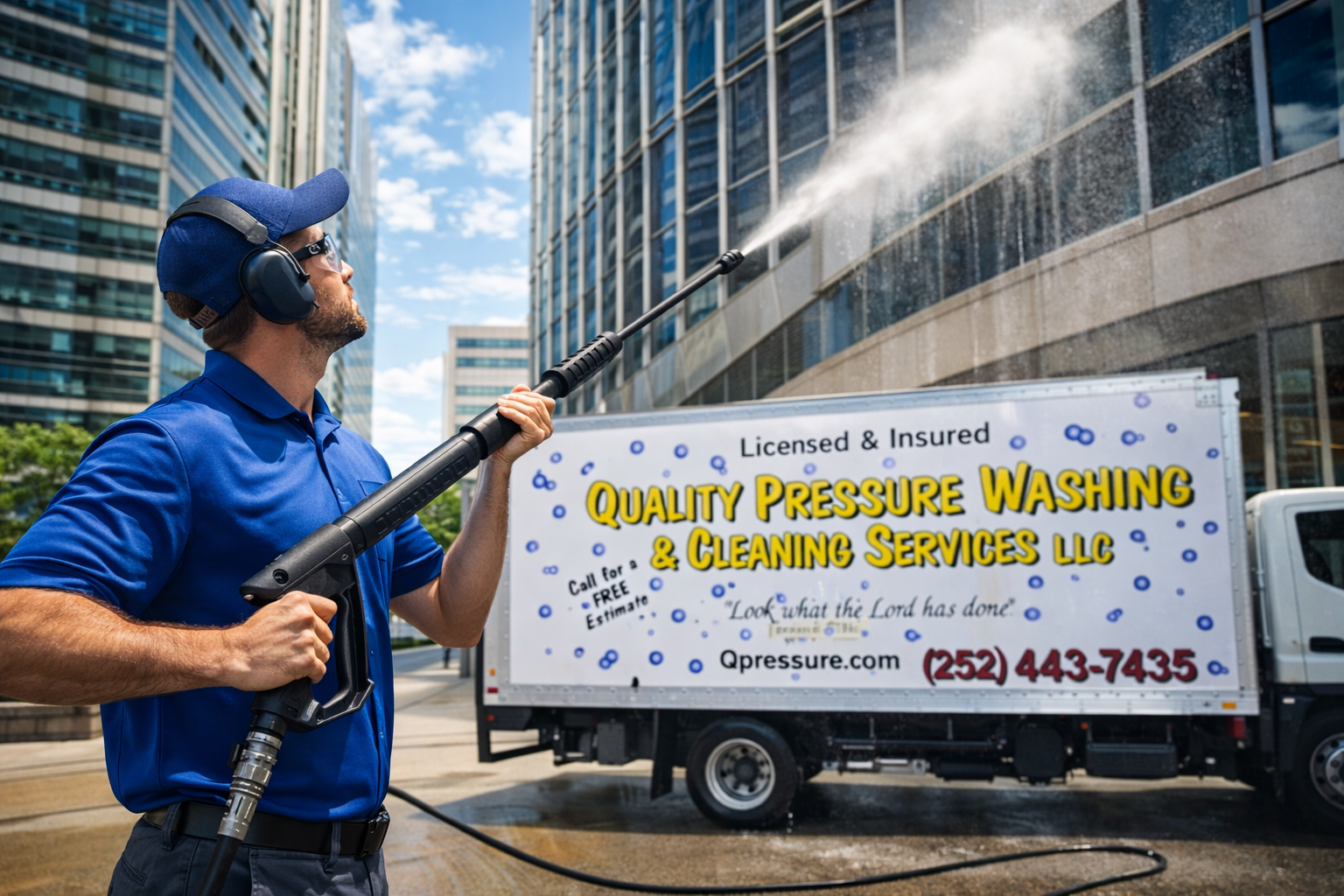
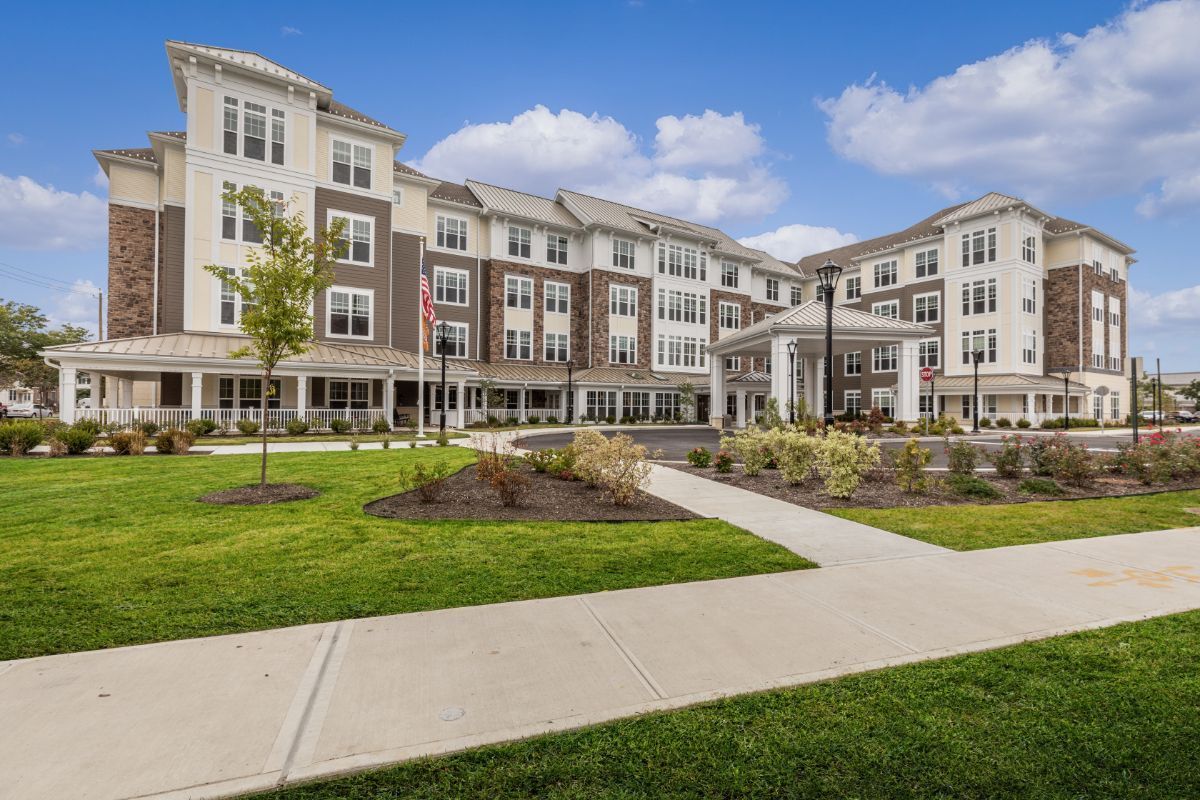
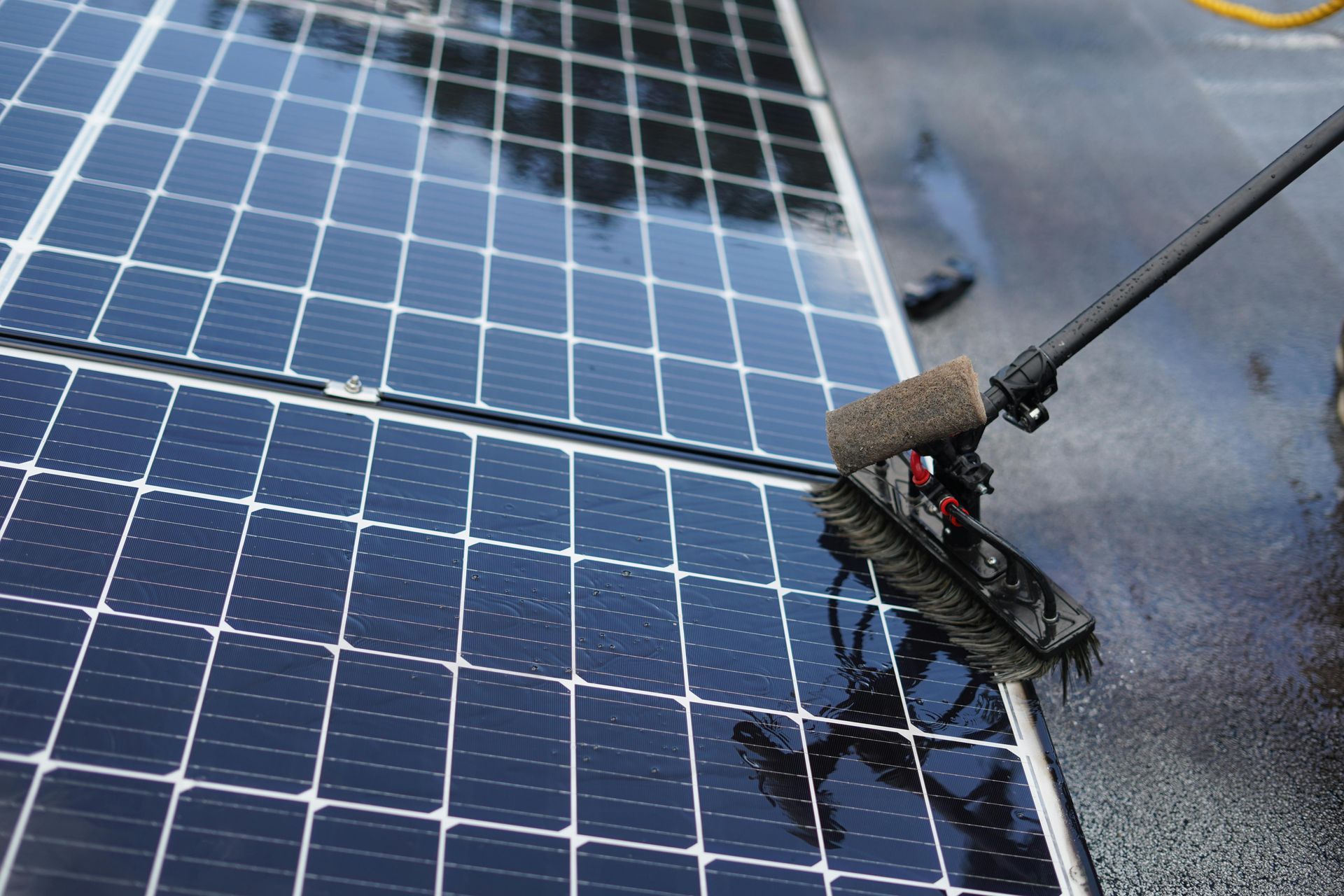
Commercial Pressure Washing Across Eastern North Carolina
Your building's exterior works overtime — greeting customers, holding up your brand, taking a beating from weather, traffic, and time. We help business owners across the region keep that first impression sharp, tackling everything from grimy storefronts to oil-stained lots so your property always looks like it's under someone's care.
Wherever you're located, chances are we're already working nearby.